



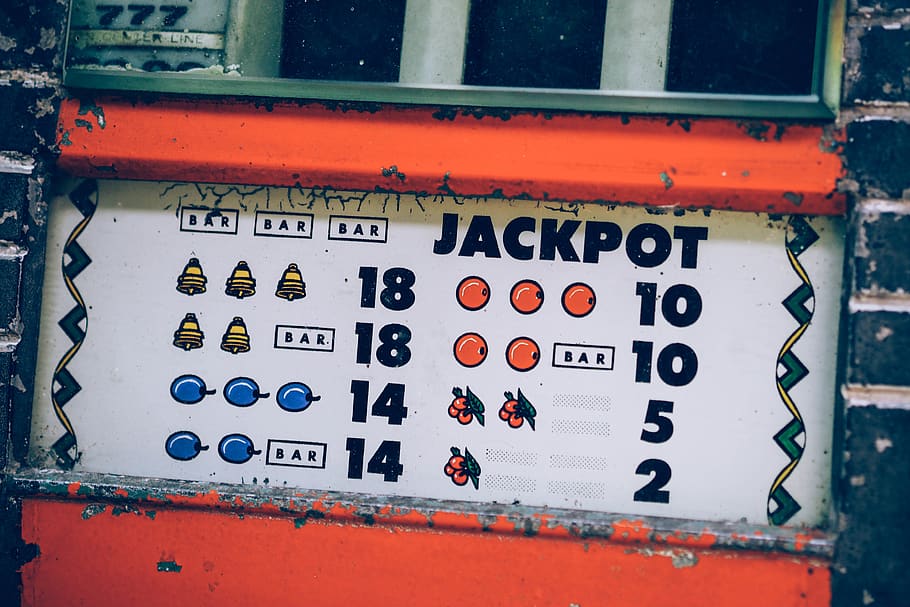
 З Casino Themed Tattoo Designs and Meanings
Casino themed tattoos blend symbols like dice, cards, and slot machines with personal meaning, reflecting luck, risk, and individual stories. These designs often feature bold lines and vivid colors, combining classic motifs with unique artistic styles for a striking visual impact.
Casino Themed Tattoo Designs and Their Symbolic Meanings
Look, if you’re thinking about a slot-inspired piece, skip the neon lights and the fake dice. I’ve seen too many people get locked into clichés – a jack-in-the-box with a grin, a roulette wheel with a broken needle, a deck of cards fanned like a bad poker hand. (Honestly, why does everyone think “gambling” means “drama”?)
Real weight? That’s in the details. A single poker chip stacked just so – that’s not just a prop. It’s a memory. A moment when you were all-in and walked away with nothing. That’s the kind of story that stays. I’ve had clients come in with full sleeves of casino motifs. Half of them don’t even know what the symbols mean. (RTP? Volatility? Nah, they just liked the look.)
Go deeper. A single die, cracked on one corner – not shiny, not perfect. That’s the kind of detail that whispers. It’s not about luck. It’s about the grind. The 150 spins where you’re just spinning, waiting for a retrigger that never comes. That’s the real math. That’s the real ink.
And the placement? Don’t slap it on your wrist like a novelty. Think about the body’s rhythm. A hand with a folded card, knuckles showing – that’s not just a tattoo. That’s a hand that’s been through a session. That’s a hand that’s been burned. That’s a hand that knows when to fold.
So if you’re getting something that’s supposed to mean something – make sure it’s not just a symbol. Make sure it’s a moment. A loss. A win. A dead spin that turned into a win. (Or the other way around.) That’s what lasts. That’s what speaks. Not the glitter. Not the flash. The truth behind the spin.
Choosing the Right Casino Symbol for Your Tattoo
I picked the jackpots. Not the ones on a screen–real ones. The ones carved into old slot machines, the kind with worn-out edges and sticky keys. You want a symbol that hits hard? Go with the 7. Not the flashy neon version. The classic three-barred, gold-plated 7. It’s not just a number. It’s a signal. A promise. A dead spin survivor’s badge.
Scatters? Yeah, they’re flashy. But they don’t last. I’ve seen people ink a wild symbol and then regret it when the tattoo starts peeling after six months. Wilds are for games, not for skin. They’re too generic. Too much like a generic bonus round.
What I did? I went with the dice. Not the kind you roll in a board game. The ones from a craps table. The ones with the tiny chips stacked on them. I got it on my forearm. Every time I check it, I think about that one night in Atlantic City. 3 a.m. Cold sweat. I was down 800 bucks. Then I rolled a 7. Straight up. The whole table went quiet. That’s the energy you want. Not luck. Precision. Control.
Chips? Don’t do it. Too many people do it. It’s like wearing a hoodie from 2012. Overdone. But if you go with a single chip–say, a $100 blue one with a cracked edge–now that’s different. It tells a story. Not “I like gambling.” But “I lost big. And I’m still here.”
Wager? That’s not a symbol. It’s a number. But if you’re into math, go with the RTP. 96.5%. Write it in old-school font. Small. In the crook of your elbow. A quiet reminder. Not a flex. A warning. The game always wins. Eventually.
And don’t get me started on the Ace of Spades. It’s everywhere. I’ve seen it on bikers, ex-soldiers, guys who’ve never touched a slot machine. It’s a cliché. A tattoo that says “I’m cool” without proving anything.
If you’re serious, pick something that hurt. That cost you. That made you pause. That made you think: “Was this worth it?” Then ink it. Not because it looks good. Because it’s real.
Placement Tips for Casino Tattoos Based on Design Size and Detail
Small, sharp symbols–like a poker chip or a single die–work best on the wrist. I’ve seen it done. No fluff, just clean lines. You’ll catch it every time you check the clock. (And yes, I’ve stared at mine during dead spins.)
Mid-sized pieces–say, a playing card suit or a vintage slot reel–need space. Forearm’s solid. Upper arm’s better if you’ve got the muscle. Don’t slap it on the bicep unless you’re ready for the weight of it. Literally. That area flexes. Your ink flexes too.
Full sleeve? Only if the detail’s tight. I once saw a 3D roulette wheel on someone’s arm. It wasn’t just ink–it was a monument. And the guy’s bankroll? Probably smaller than the max win on that thing.
Back? Only if you’re not afraid of the full view. A large, intricate scene–say, a neon-lit casino floor–needs that canvas. But don’t go for 100% detail. Some parts blur when you move. (I’ve seen it. It’s not the ink’s fault. It’s the angle.)
Foot? Only if you’re okay with the shoe rubbing it. And if you’re not wearing shoes, people see it. (And they ask. Always.)
Neck? No. Not unless you’re okay with HR calling you “a liability.”
Color vs. Black and Gray: Deciding on the Right Tattoo Style
I went with black and gray on my last piece. No hesitation. Not because I hate color–hell, I’ve lost money on a red-and-gold slot that paid 500x–but because the contrast hits harder. Real talk: color can fade, bleed, turn muddy after a few years. Black and gray? It holds. Like a solid RTP on a high-volatility machine.
If you’re leaning toward color, ask yourself: what’s the story? A roulette wheel with neon numbers? A crown dripping in jewels? That’s not just ink–it’s a statement. But it’s also a risk. I’ve seen people get full-color pieces that look like a casino’s neon sign after 10 years. Faded. Washed out. Like a dead spin streak that never ends.
Black and gray gives you grit. Texture. Depth. It’s not flashy, but it’s sharp. The kind of work that still reads clean after a 12-hour session at the tables. I got a dice tower in grayscale–no shine, no rainbow. Just lines, shadows, the weight of the moment. You feel it when you look at it. Like a bonus round that actually lands.
But here’s the real kicker: color can work if you pick the right artist. Not just any shop. The one who knows how to layer, how to keep saturation tight. I’ve seen a purple phoenix on a guy’s forearm–no bleed, no muddiness. That’s not luck. That’s skill. And skill costs more. Like a high-stakes bet with a 96.5% RTP.
So decide: do you want a flashy win that fades fast? Or a clean, lasting mark that doesn’t need a retrigger?
- Black and gray: long-term clarity, lower maintenance, better for detailed work like poker chips, dice, or card suits.
- Color: higher risk of fading, but can elevate symbolism–think a golden jackpot symbol, a neon roulette wheel, a woman in a red dress with a blackjack in hand.
- If you’re unsure, go black and gray. Add color later–on a different piece, maybe. You don’t need to max out your bankroll on the first try.
I’ve seen people regret color choices after 5 years. They’re not mad at the artist. They’re mad at themselves. For thinking the flash was worth the long-term cost.
Bottom line: ink is permanent. So is your bankroll. Be smart.
Decoding the Subtext in Classic Gambling Ink
I’ve seen the same symbols inked on knuckles, ribs, and behind ears–always with the same quiet confidence. The ace of spades? Not just a card. It’s a warning. A personal boundary. I once met a guy with it on his forearm. He didn’t say much. But when I asked why, he just stared at his hand and said, “I lost everything to one hand.” That’s the weight behind the suit.
Chips stacked in a pyramid? Don’t think it’s about winning. It’s about the moment before the fall. The last stack before the wipeout. I’ve watched players stack their wagers like that–calm, precise–then watch it vanish in a single spin. The pyramid’s not a trophy. It’s a memory of control, right before it slips.
Rolling dice? Not a symbol of luck. It’s a record of a decision. I’ve seen it on a guy who played 12 hours straight, chasing a single Retrigger. His hand trembled when he showed me the tattoo. “I didn’t roll for fun,” he said. “I rolled because I had to.”
Slot reels with a single cherry? That’s not nostalgia. That’s a dead spin. The kind that hits the same symbol three times, then nothing. You know the one. You’re 100 spins in, no Scatters, no Wilds, just the same red fruit blinking at you like a taunt. The cherry’s not a jackpot. It’s a trap. A reminder of how the machine eats time.
And the roulette wheel? I’ve seen it with the numbers missing. Not all of them. Just the ones that mattered. 17. 23. 0. The ones that hit when you were broke. The wheel’s not about chance. It’s about the gap between what you expected and what you got.
These aren’t decorations. They’re not for show. They’re records. Every line, every curve, a moment frozen in ink. If you’re getting one, ask yourself: am I memorializing a win? Or a loss I can’t forget?
Questions and Answers:
What does a roulette wheel tattoo symbolize in casino-themed designs?
A roulette wheel tattoo often represents chance, risk, and the unpredictability of life. People choose this design to reflect moments when they made bold decisions or faced uncertain outcomes. The spinning wheel can also symbolize the cycle of fate or the idea that every choice leads to a new path. Some individuals get this tattoo to mark a turning point in their lives, such as overcoming a challenge or taking a leap into something new. The detailed mechanics of the wheel—numbers, colors, and the ball’s motion—add visual interest and reinforce the theme of randomness and fate. It’s not just a symbol of gambling; it’s a reminder that life, like a spin of the wheel, can change in an instant.
Are casino tattoos only about gambling, or can they have deeper personal meanings?
While casino tattoos often feature symbols like cards, dice, or chips, they don’t always mean someone is a gambler. Many people use these images to represent personal experiences such as surviving a difficult period, making a life-changing decision, or celebrating a moment of triumph. For example, someone might get a poker face tattoo to show resilience and emotional control during hard times. Others might choose a joker card to symbolize unpredictability or the ability to stay calm under pressure. The design can also reflect a love for strategy, timing, or even a connection to a place like Las Vegas, where the energy of the city inspires artistic expression. The meaning comes from the individual’s story, not just the image itself.
How do people choose between different casino symbols like playing cards, dice, and slot machines?
The choice of symbol usually depends on what resonates most with the person’s personal history or values. Playing cards are often selected because they represent strategy, deception, and the idea of reading people—qualities some associate with life’s challenges. Dice can stand for risk and chance, especially if someone has faced a moment where they had to trust in fate. Slot machines might be chosen for their nostalgic or flashy appeal, particularly if the person has strong memories tied to a specific casino or vacation. Some people mix symbols, like combining a king of hearts with a roulette wheel, to create a unique story. The design is rarely random—it’s built around what the tattoo means to the wearer, not just what looks cool.
Can a casino tattoo be subtle, or does it always have to be flashy?
Absolutely, a casino tattoo doesn’t need to be loud or bold. Many people opt for small, delicate designs that only hint at the theme. A single ace of spades, a tiny dice in the corner of the wrist, or a minimalist roulette wheel outline can be meaningful without drawing attention. These subtle tattoos often carry personal significance—like a secret reminder of a past victory or a moment of clarity. The size and style depend on the person’s taste and where they want to place it. A small, quiet tattoo can be just as powerful as a large, detailed piece, especially when it reflects something deeply personal.
Is it common for people to get tattooed with casino themes after visiting Las Vegas?
Yes, visiting Las Vegas is a common reason for getting a casino-themed tattoo. The city’s atmosphere—bright lights, music, energy—can leave a strong impression. Many people return home with a sense of freedom, excitement, or even transformation after a trip there. A tattoo can serve as a lasting memory of that feeling. Some get a tattoo of the Las Vegas Strip skyline, a neon sign, or Platin Slots Review a classic casino symbol like a crown or a lucky seven. Others choose something more symbolic, like a pair of dice with the date of their visit. These tattoos are not about gambling per se but about marking a moment in life that felt memorable, bold, or different from everyday routines.
What do common casino symbols like dice, cards, and roulette wheels represent in tattoo art?
Many people choose casino symbols for tattoos because they carry personal meanings beyond their obvious connection to gambling. Dice, for example, often symbolize chance and unpredictability in life—something that resonates with those who’ve faced uncertain situations and made bold decisions. A single die might represent a pivotal moment, while a pair can suggest balance between risk and control. Playing cards, especially the ace of spades, are frequently linked to luck, power, or even death in certain cultural contexts. Some people get card tattoos to mark a turning point, like overcoming a difficult period or stepping into a new chapter. The roulette wheel, with its spinning motion and unpredictable outcome, can reflect life’s unpredictability or a desire to embrace uncertainty. These symbols are not just decorative; they serve as reminders of personal experiences, choices, and the idea that not everything is within our control.
Are casino-themed tattoos only for people who gamble, or can others relate to them?
Not at all. While some individuals with gambling experiences may choose these designs, many others use casino imagery for deeper, non-literal reasons. For example, someone might get a tattoo of a poker face to symbolize emotional control or the ability to stay calm under pressure—qualities valuable in daily life, not just at a table. Others might appreciate the aesthetic of vintage casino decor, like old slot machines or neon signs, as a tribute to a specific era or cultural vibe. The themes of risk, fate, and transformation in casino culture can also reflect personal struggles or growth. A person who’s faced a major life change—like a career shift, a breakup, or recovery from hardship—might see the casino as a metaphor for stepping into the unknown with courage. So, the tattoo becomes less about gambling and more about identity, resilience, and personal narrative.
E789C559